1. Field Emission Scanning Electron Microscope with EDS and Sputter Coater Facility
(Model: Sigma-300, Carl Zeiss, Installed in January, 2019)
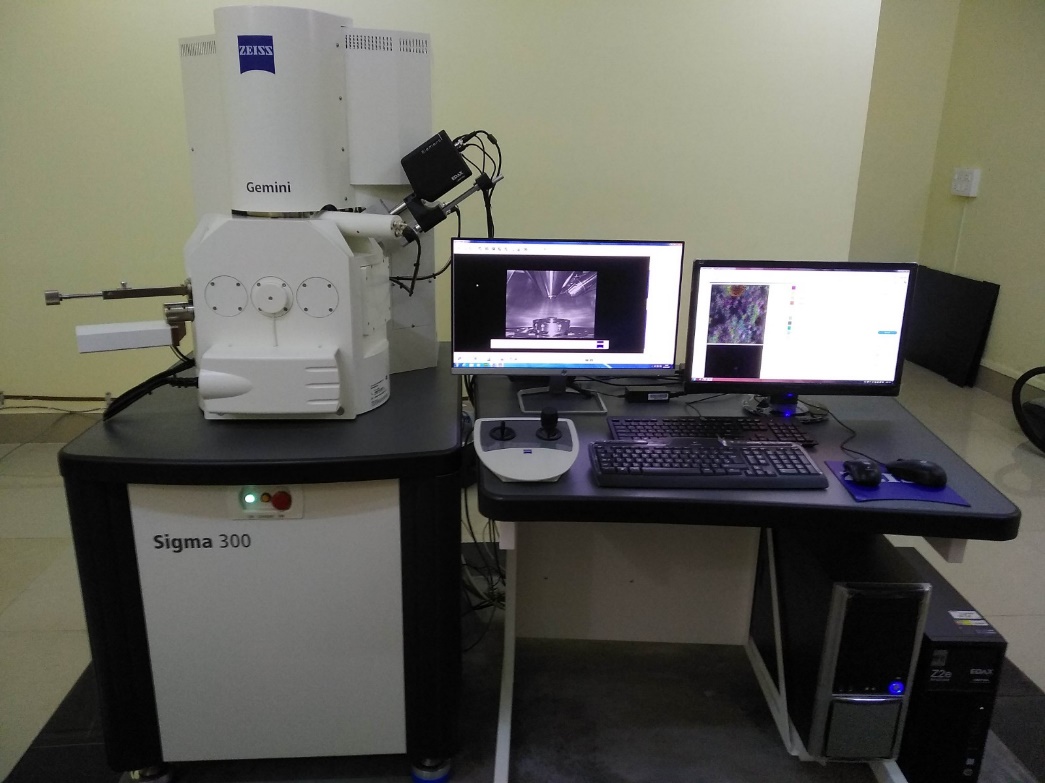
The FESEM with EDS and Sputter Coater Facility is widely used for high-resolution imaging of surface morphology, particle size, thin films, nanostructures, and material interfaces. EDS enables qualitative and quantitative elemental analysis, while sputter coating improves conductivity and image quality of non-conductive samples. The facility supports multidisciplinary research and advanced material characterization.
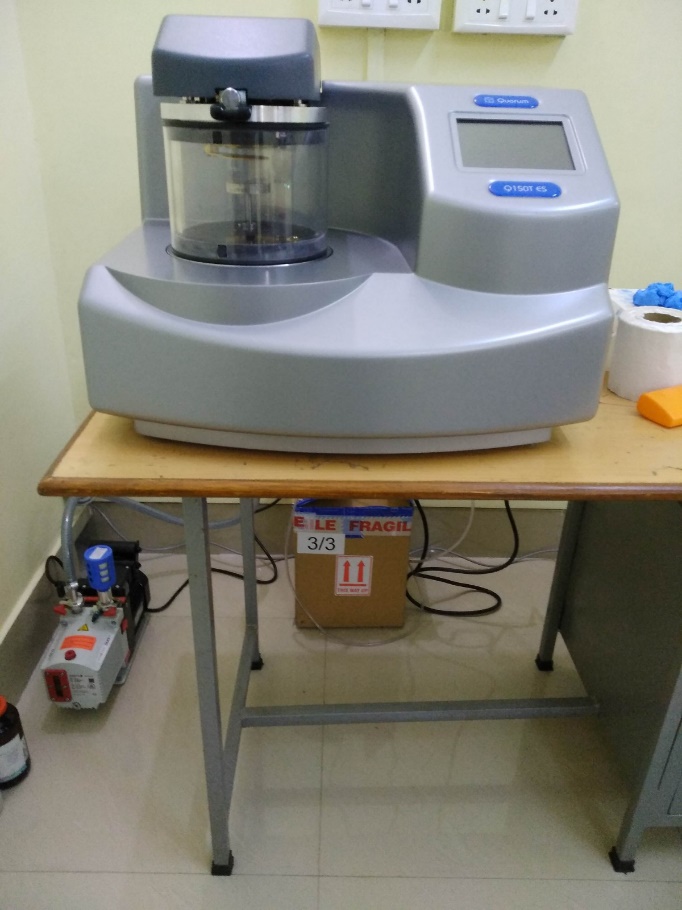
2. Sputtering Unit:
(Model: , Installed in January, 2019)
The Sputter Coater Facility at Tripura University is used for depositing thin, uniform conductive coatings on non-conducting samples prior to electron microscopy. It enhances surface conductivity, reduces charging effects, and improves image quality during FESEM analysis. The facility is particularly useful for characterizing polymers, biological specimens, ceramics, powders, thin films, and nanostructured materials.
3. 400 MHz NMR facility:
(Model: 400 MHz, Bruker, installed in 2018)
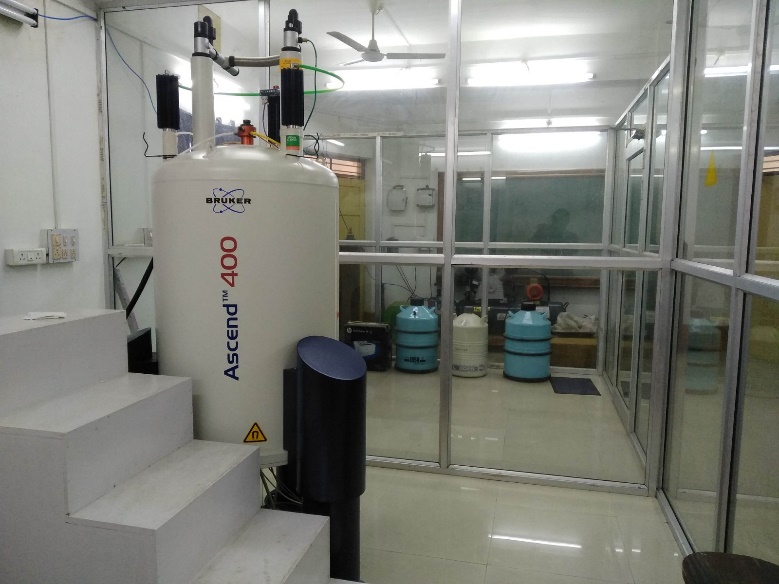
The 400 MHz Nuclear Magnetic Resonance (NMR) Facility at Tripura University provides advanced structural and molecular characterization of organic, inorganic, and bioactive compounds. It enables detailed analysis of molecular structure, chemical environment, purity, and molecular interactions through techniques such as ^1H and ^13C NMR. The facility supports interdisciplinary research in chemistry, materials science, pharmaceuticals, and related fields.
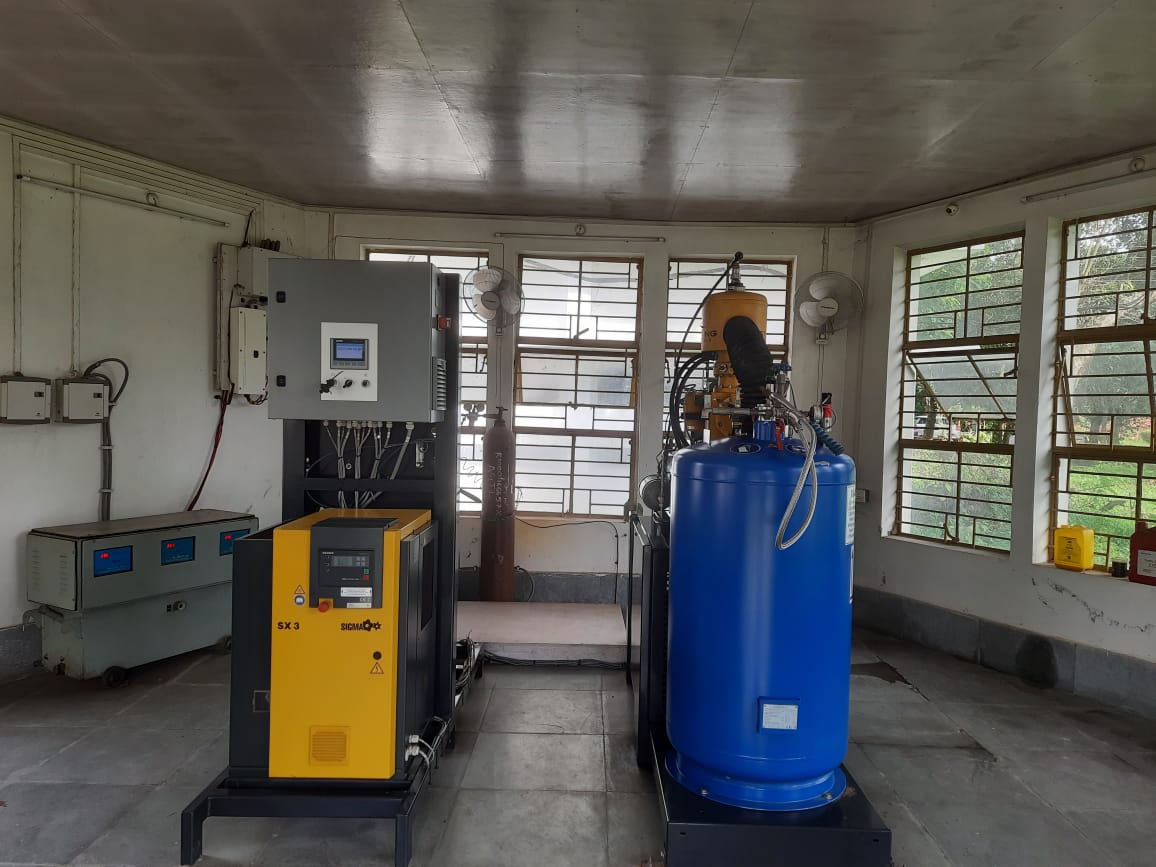
4. Liquid N2 Plant
(Model: StirLITE, Stirling Cryogenics, installed in 2018)
The Liquid Nitrogen Plant at Tripura University provides a reliable supply of high-purity liquid nitrogen for research, laboratory, and cryogenic applications. It supports low-temperature experiments, sample preservation, cooling of scientific instruments, and cryogenic material studies. The facility enhances self-reliance in laboratory operations and ensures continuous availability of liquid nitrogen for multidisciplinary research and advanced scientific investigations
5. Lifetime Spectrometer
(Model: Flurolog, Hariba, installed 2018)
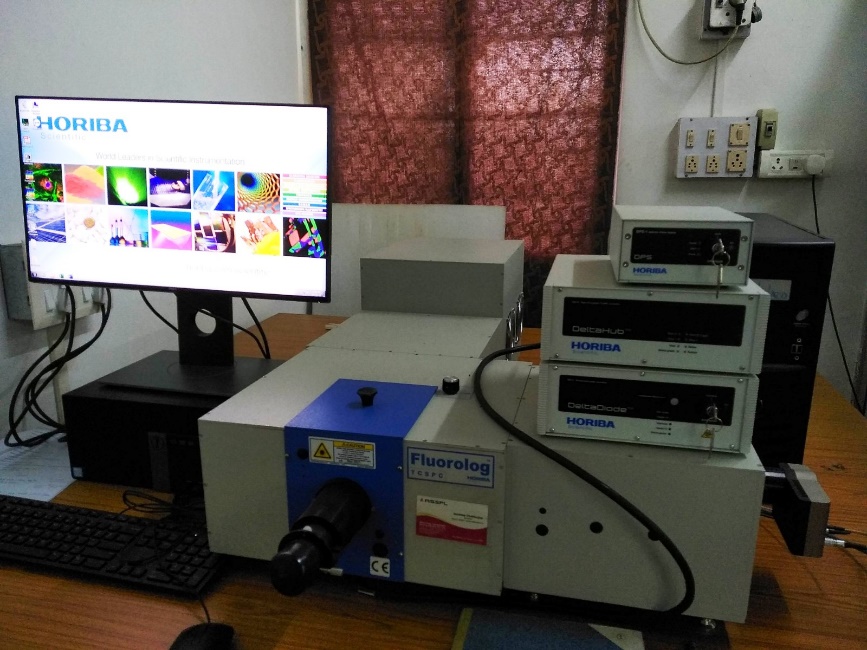
The Lifetime Spectrometer Facility at Tripura University is used to investigate the excited-state dynamics and fluorescence lifetimes of materials and molecular systems. It provides valuable information on photophysical processes, energy transfer, charge-transfer interactions, and recombination mechanisms. The facility supports research in nanomaterials, photonics, optoelectronics, sensors, semiconductors, and fluorescence-based applications.
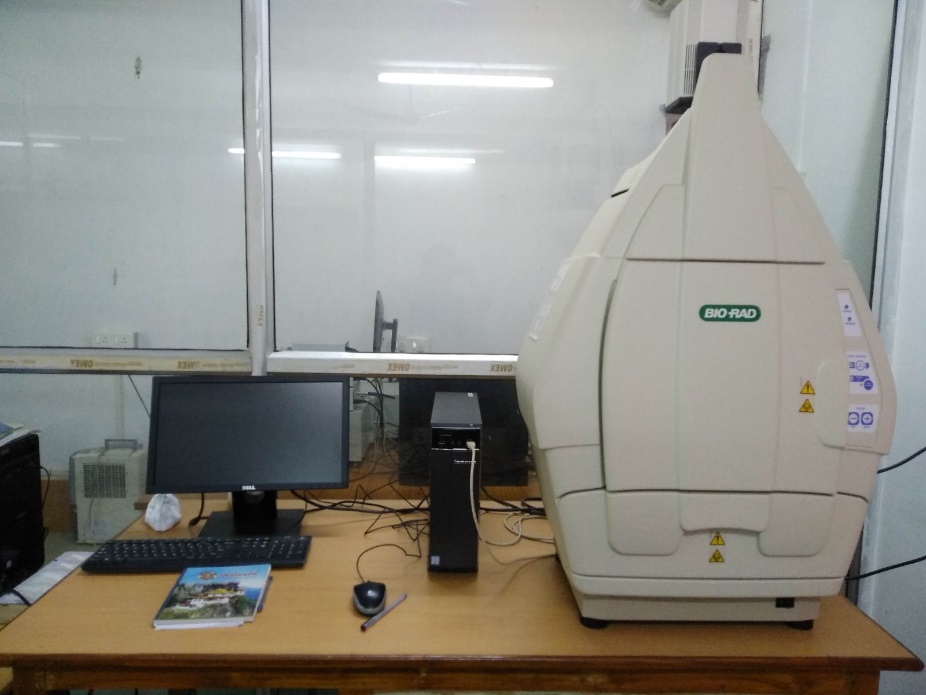
6. Chemidoc
(Bio-red, installed in 2018)
The ChemiDoc Imaging Facility at Tripura University is a versatile documentation and imaging system used for capturing, analyzing, and quantifying chemiluminescent, fluorescent, and colorimetric signals. It is particularly useful for gel and blot imaging, biomolecular analysis, and visualization of experimental results. The facility supports research in biotechnology, biochemistry, molecular biology, chemistry, and related fields.
7. GSV4004B GPS Ionospheric Scintillation & TEC Monitor (GISTM)
Installed in 2013.
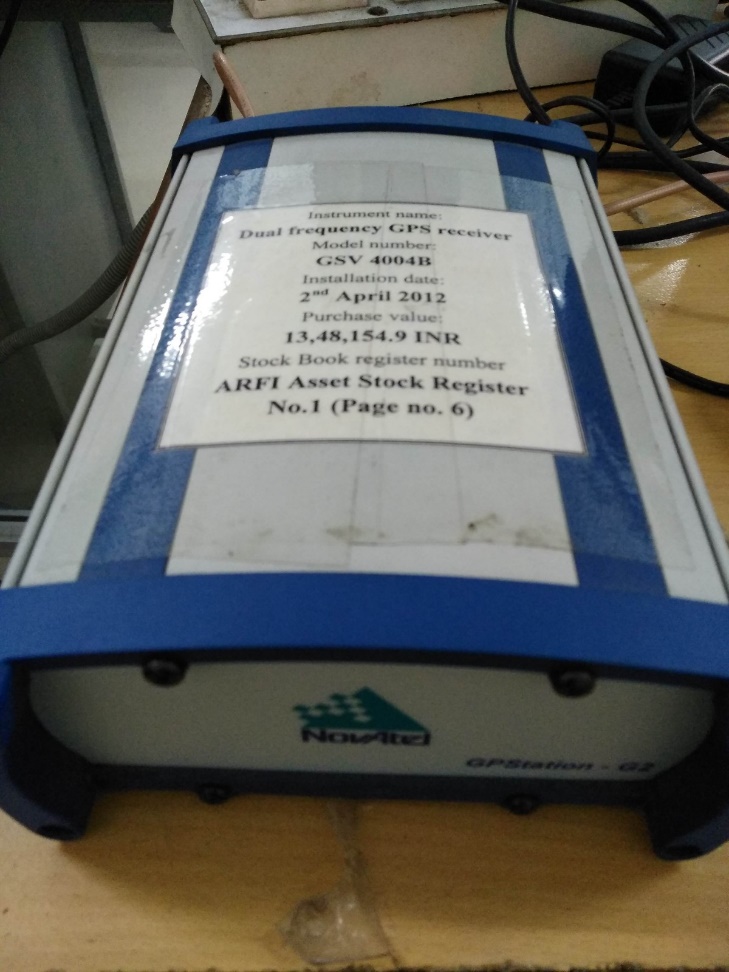
The GSV4004B GPS Ionospheric Scintillation and TEC Monitor (GISTM) at Tripura University is an advanced facility for monitoring ionospheric conditions using GPS signals. It enables measurement of Total Electron Content (TEC) and ionospheric scintillation, supporting studies of ionospheric variability, space weather, atmospheric dynamics, and GPS signal propagation. The facility is valuable for research in atmospheric and space sciences.
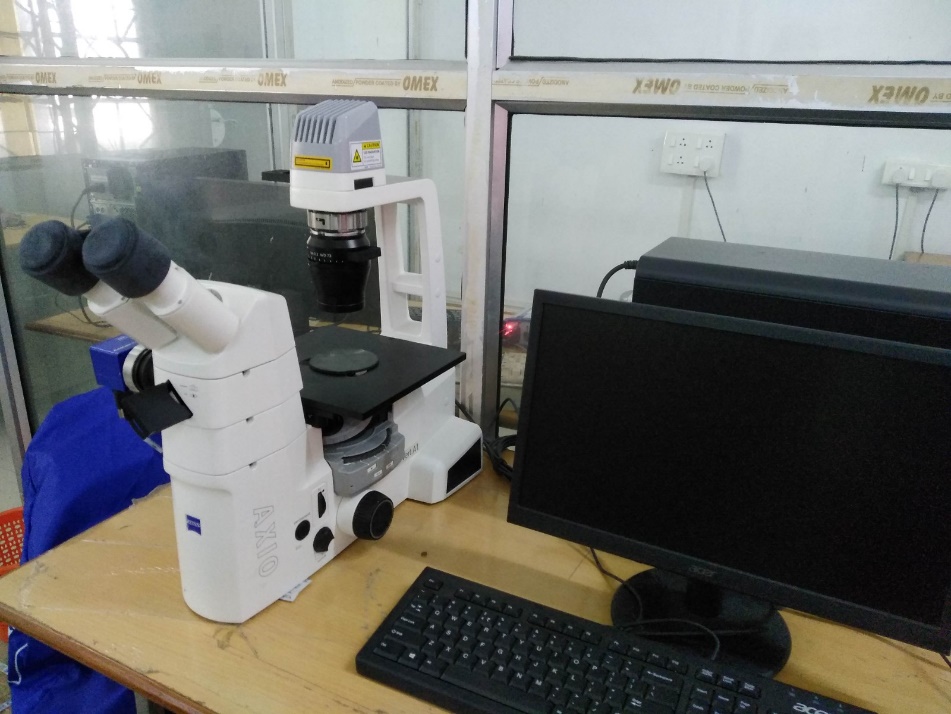
8. Immunofluorescence Microscope
(Carl Zeiss, installed in 2018)
The Immunofluorescence Microscope at Tripura University is an advanced imaging facility used to visualize and localize specific biomolecules, proteins, and cellular structures through fluorescence-labelled antibodies. It enables high-resolution imaging and qualitative analysis of biological samples, supporting research in cell biology, molecular biology, microbiology, biotechnology, biomedical sciences, and related interdisciplinary areas.